Residential Gutter Materials Compared: Aluminum, Steel, Copper, and Vinyl
Residential gutter materials compared: aluminum, steel, copper, and vinyl help homeowners choose the best options, while local contractors can expertly install the right system for their home.
Property owners exploring residential gutter materials compared: aluminum, steel, copper, and vinyl, are making an important decision that impacts both the protection and appearance of their homes. Understanding the strengths and limitations of each material can help homeowners choose options that best suit their specific needs, whether it’s durability, aesthetic appeal, or maintenance requirements. Local contractors specializing in gutter installation can provide valuable insights and professional guidance, ensuring that the chosen material not only fits the property’s style but also performs reliably over time.
As homeowners continue to evaluate their gutter options, it’s helpful to consider practical factors such as weather resistance, longevity, and ease of installation. Each material offers unique advantages-aluminum is lightweight and resistant to rust, steel provides strength and durability, copper offers a distinctive look with corrosion resistance, and vinyl is budget-friendly and easy to install. Connecting with experienced service providers in the area can help clarify these choices and ensure the installation process is handled efficiently and correctly, giving property owners peace of mind with a well-installed gutter system.
- Residential gutters installation might be needed when replacing aging or damaged gutters, with local contractors offering expertise in selecting and installing the most suitable material for your home.
- Aluminum gutter installation is commonly sought when homeowners want lightweight, rust-resistant options, and local service providers can efficiently handle the installation process.
- Steel gutter installation may be necessary for homes requiring extra durability, with local pros ensuring proper handling and secure attachment of these heavier materials.
- Copper gutter installation is often chosen for its aesthetic appeal and longevity, with local contractors expertly installing these premium materials for a seamless look.
- Vinyl gutter installation is ideal for budget-conscious projects, and local service providers can quickly and cleanly install these easy-to-maintain options.
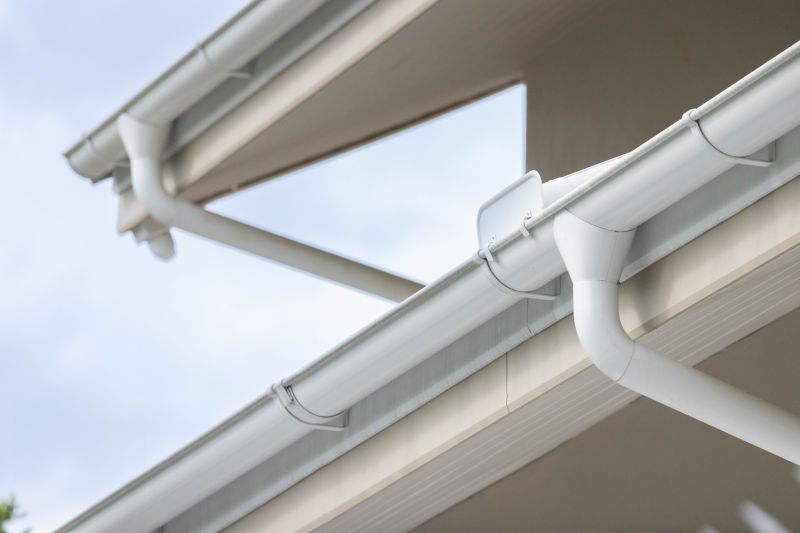
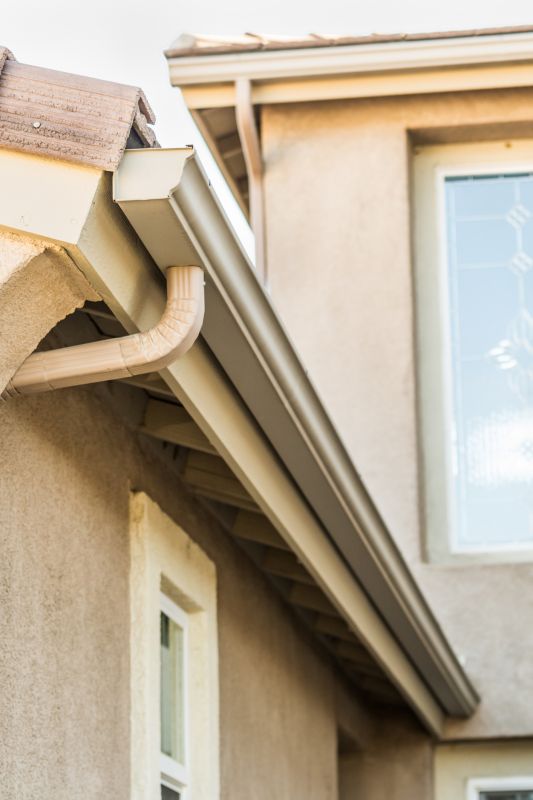
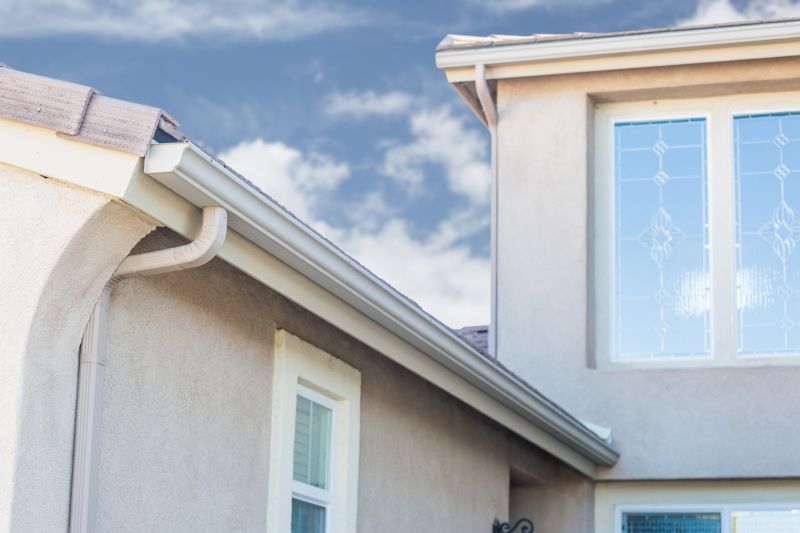
When homeowners search for information on residential gutter materials compared: aluminum, steel, copper, and vinyl, they are usually looking to understand the differences in durability, appearance, and maintenance needs of each option. Many property owners are planning to replace or upgrade existing gutters or are installing new systems during home renovations. These searches often relate to concerns about protecting the property from water damage, managing rain runoff, and ensuring the gutters complement the overall style of the home. Understanding the various materials helps homeowners make informed decisions that align with their property’s needs, whether they are considering long-term performance or aesthetic appeal.
The topic of residential gutter materials compared: aluminum, steel, copper, and vinyl typically arises in the context of home improvement projects aimed at improving drainage systems. Problems such as frequent gutter repairs, leaks, or rust can prompt homeowners to explore different materials that offer better longevity or lower maintenance. Additionally, plans to enhance curb appeal or match existing architectural details often lead homeowners to research which gutter material best suits their property’s style. These considerations are especially relevant for properties that experience heavy rainfall, have unique architectural features, or are located in areas with specific climate challenges.
Properties that often come up in discussions about gutter materials include single-family homes, historic houses, multi-story residences, and properties with custom or decorative exteriors. Homes with intricate architectural details may require materials like copper to match their aesthetic, while newer or budget-conscious properties might opt for vinyl or aluminum. Commercial or multi-unit residential buildings can also benefit from durable, low-maintenance options like steel. Local service providers who specialize in residential gutters installation can help assess the specific needs of each property, recommend suitable materials, and ensure proper installation to maximize the lifespan and effectiveness of the gutter system.
Choosing the right gutter material involves balancing factors such as climate, property style, budget, and desired longevity. Homeowners should consider how each material performs in different conditions-such as resistance to rust, impact, or weathering-and how it fits with the home's overall look. Local contractors experienced in residential gutters installation can provide expert guidance tailored to each property’s unique requirements. They can help evaluate the existing structure, recommend appropriate materials, and ensure the gutters are installed correctly to protect the property from water-related issues. Connecting with these service providers simplifies the process of selecting the best gutter material for a specific home and project.
Roofing projects - Installing or replacing roofing systems often involves planning for gutter integration, making it relevant for contractors experienced in residential gutter materials compared: aluminum, steel, copper, and vinyl.
Siding installation - Siding projects require precise planning and tool use similar to gutter installation, and local contractors skilled in material selection can help ensure proper integration with different gutter types.
Downspout and drainage system setup - Properly connecting gutters to downspouts involves understanding material compatibility and installation techniques, which local service providers are equipped to handle across various gutter materials.
Exterior remodeling - Exterior renovation projects often include gutter upgrades, requiring knowledge of different gutter materials and their installation methods, provided by experienced local contractors.
Fascia and soffit replacement - Replacing fascia and soffits involves similar planning and tools as gutter installation, with local pros capable of ensuring compatibility with aluminum, steel, copper, or vinyl gutters.
Waterproofing and sealing projects - Effective waterproofing around the home often involves gutter system installation or upgrades, which requires understanding of material properties and proper sealing techniques by local contractors.
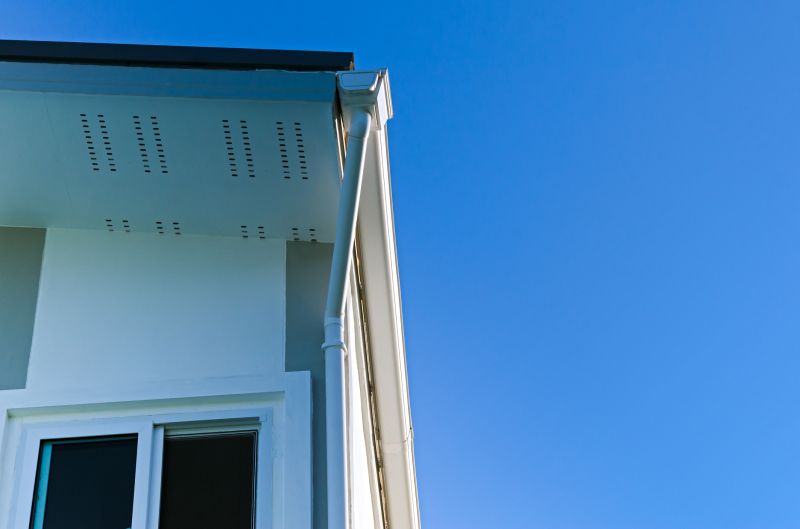
When evaluating residential gutter materials compared: aluminum, steel, copper, and vinyl, it is essential to consider the experience of local contractors with similar projects. Homeowners should seek service providers who have a proven track record installing various gutter materials on homes comparable in size, style, or climate. Contractors with relevant experience can better anticipate potential challenges and recommend solutions tailored to the specific needs of the property, ensuring the chosen material performs effectively over time.
Clear written expectations are a vital part of choosing the right local contractor for gutter installation. Homeowners should look for providers who can offer detailed project descriptions, including the scope of work, material specifications, and any warranties or guarantees. This transparency helps prevent misunderstandings and provides a solid foundation for evaluating whether the contractor’s approach aligns with the homeowner’s preferences and the demands of the different gutter materials being considered.
Reputable references and good communication are also key factors when comparing local service providers for residential gutter installation. Homeowners are encouraged to request references from previous clients who had similar gutter projects completed, especially involving different materials. Effective communication throughout the process ensures questions are answered promptly and expectations are managed appropriately. Choosing a contractor who demonstrates professionalism, responsiveness, and a clear understanding of the nuances between aluminum, steel, copper, and vinyl gutters can lead to a smoother installation experience and a more satisfactory long-term outcome.
Property owners often search for residential gutter materials compared: aluminum, steel, copper, and vinyl when they are planning practical projects around their homes and businesses. Local pros provide Residential Gutters Installation services for everyday jobs and straightforward project options.
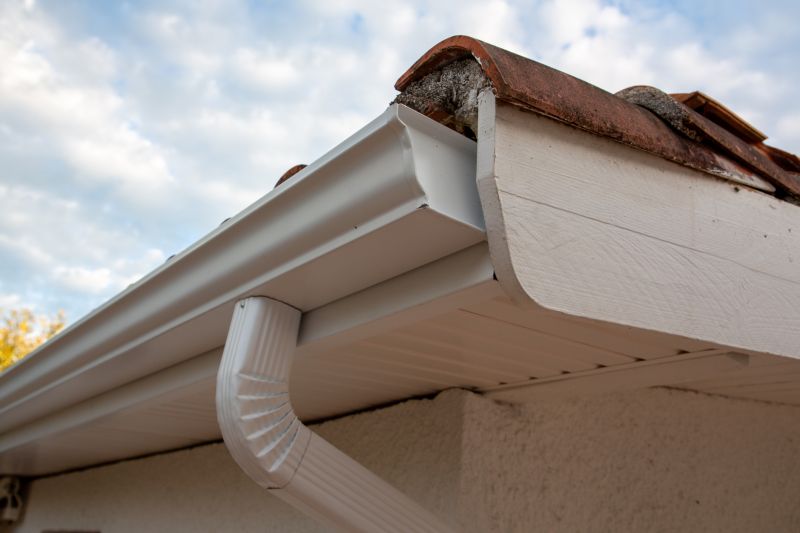

When considering residential gutter materials compared: aluminum, steel, copper, and vinyl, property owners often evaluate factors like durability, appearance, and maintenance needs. For everyday projects, choosing the right material can influence how well the gutters withstand local weather conditions and how long they last before needing repairs or replacement. Local contractors can help homeowners understand the benefits and limitations of each option, ensuring the chosen material aligns with the property's specific needs and aesthetic preferences.
Homeowners searching for residential gutter installation services might also want guidance on which material offers the best value over time. Whether prioritizing affordability, resistance to corrosion, or a distinctive look, local service providers can recommend suitable options and handle the installation process efficiently. Connecting with experienced local contractors ensures the project is completed with attention to detail, helping property owners make informed decisions about their gutter systems.
What are the main differences between aluminum, steel, copper, and vinyl gutters? Residential gutter materials compared: aluminum, steel, copper, and vinyl vary in durability, appearance, and maintenance needs. Local contractors can help determine which material best suits specific home requirements and preferences.
Which gutter material is most resistant to rust and corrosion? Among residential gutter materials compared: aluminum and copper typically resist rust and corrosion better than steel and vinyl. Local service providers can advise on the longevity of each option based on local climate conditions.
How does the appearance of different gutter materials compare? The appearance varies: copper offers a distinctive, upscale look; aluminum and steel can be finished in various colors; vinyl generally has a simpler appearance. Local pros can help select a material that complements the home's style.
Are some gutter materials easier to install than others? Installation complexity varies: vinyl and aluminum are often easier for contractors to work with, while copper may require more skill and precision. Local gutter installation services can assess the best material for a smooth installation process.
What maintenance is required for different residential gutter materials? Maintenance needs differ: aluminum and vinyl generally require less upkeep, while copper may develop a patina over time. Local pros can provide guidance on maintaining each type to ensure optimal performance.
Choosing aluminum gutters can be ideal for properties needing lightweight and low-maintenance options, making installation straightforward with local contractors. Steel gutter materials are suitable for homes requiring extra durability, especially in areas prone to harsh weather, with local pros able to handle the installation securely. Copper gutters add a distinctive aesthetic and long-lasting appeal, encouraging property owners to explore custom design options with experienced service providers. Vinyl gutter materials offer an affordable and easy-to-install choice for DIY enthusiasts or budget-conscious projects, with local contractors able to assist in professional setup.
If you are thinking about residential gutter materials compared: aluminum, steel, copper, and vinyl for a property, this guide is meant to help you understand this topic, the typical project types, and how different options might fit your plans.
When you are ready, you can use the quote form on this page to share a few details about your project. From there, local pros can review the basics and follow up with options that match what you have in mind.